

January 4th, 2026 (Epiphany) (Pastor Daniel Schroeder) Matthew 2:1-12; Supplemental Scripture: Micah 5:2; Numbers 24:15-17
Christ the Savior is Born — Loves Pure Light Beams from Thy Holy Face
“God Wants the World to Worship in Bethlehem”

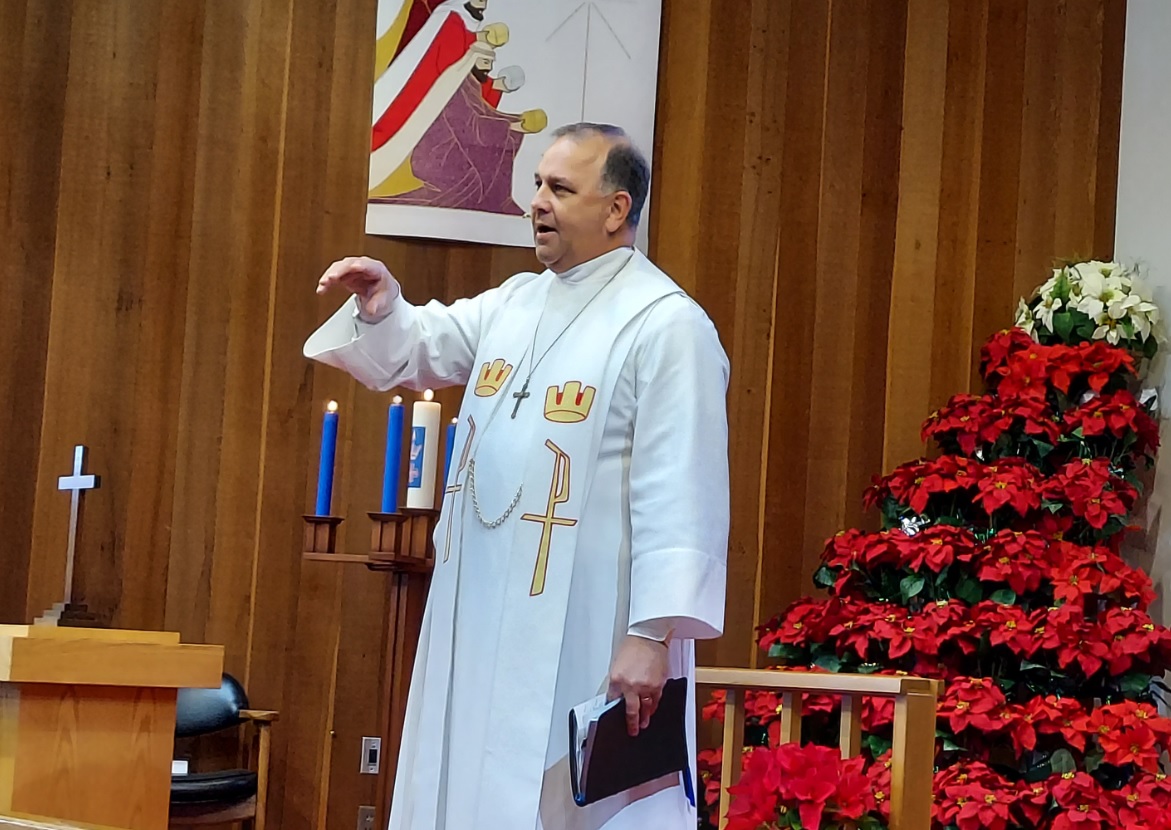
Children’s Devotion: “You don’t need a map, and you don’t need a star, to find Jesus.”
View/Download Service Folder here.

Service Focus:
The Twelve Days of Christmas are the days between Christmas Day and January 6. What is special about January 6? It is the day when the Christian Church celebrates the Festival of the Epiphany. Epiphany comes from a Greek word meaning “reveal.” When the Savior was born, he was first revealed as love’s pure light to Israelites: Mary, Joseph, the shepherds. Today, we see the Lord miraculously guiding foreigners across countless miles so the Savior’s holy face could be revealed to them as well. The Festival of Epiphany is sometimes known as Christmas for the Gentiles. We Gentiles (non-Jews) rejoice in the good news that this Jewish baby is a gift for all people, Christ the Savior of the world.
The video link of the service is not yet available; check back later in the week.
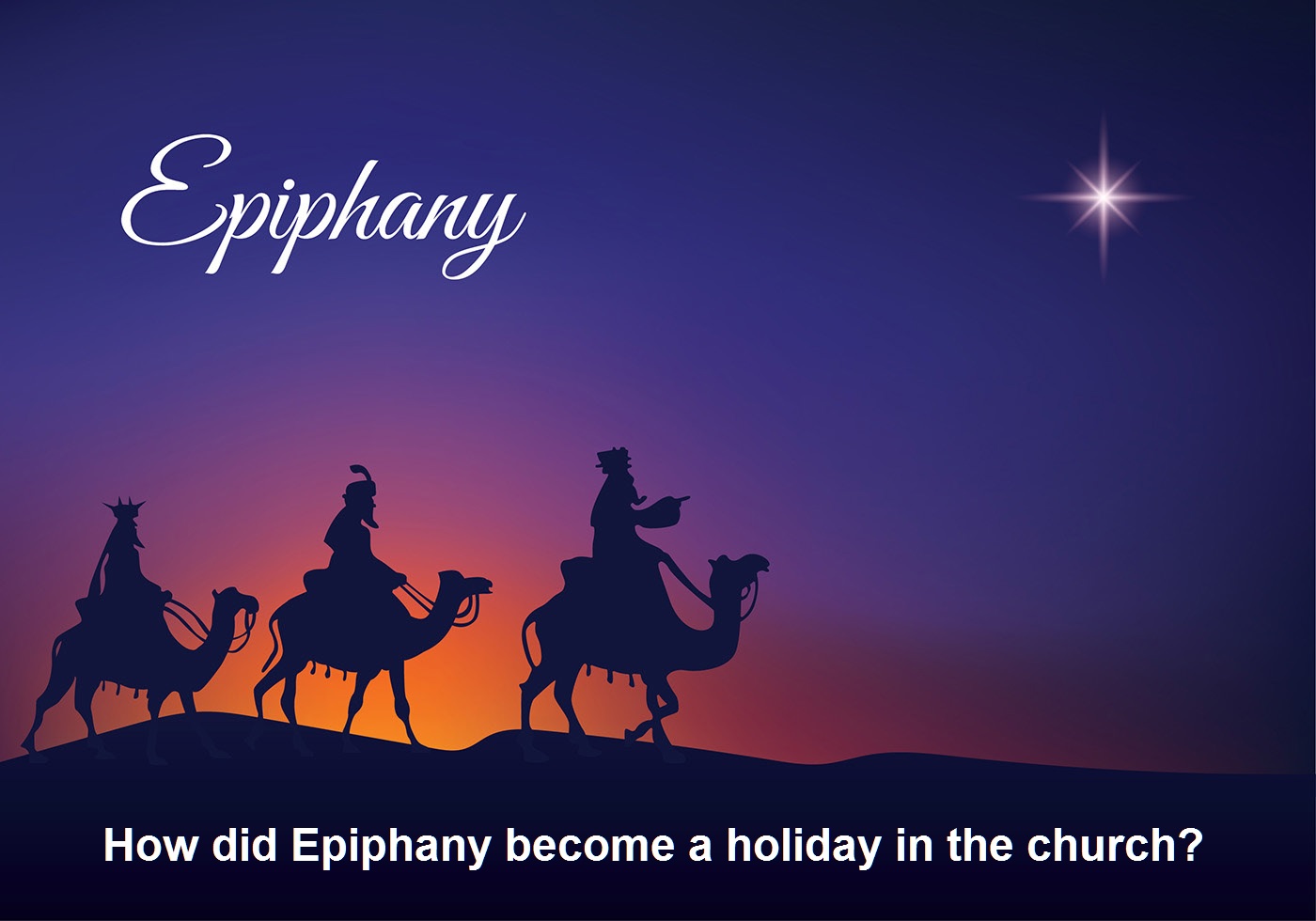
by Professor Emeritus John Brug of Wisconsin Lutheran Seminary
The origins of Epiphany and Christmas are hidden in the shadows of early church history. In the earliest days of the church there was little emphasis on the celebration of Jesus’ birth. The main festival was Jesus’ resurrection.
“Epiphany” comes from a Greek word meaning “revelation” or “revealing of glory.” It therefore is likely that this holiday originated in the eastern Mediterranean where Greek was the dominant language. By the second century the church in Alexandria, Egypt, was celebrating January 6 as Epiphany, a festival honoring the miracle of the incarnation (God becoming man). By the fourth century Epiphany was an important festival throughout the Eastern church. It gradually spread westward to the Latin church.
Christmas began in the West. In the early 200s the church father Hippolytus maintained that December 25 was the birthday of Jesus, but the first evidence we have for the celebration of Christmas comes from 336 AD. By the late 300s Christmas was also being celebrated in the East. A natural result of this development was that the emphasis on Jesus’ incarnation was detached from Epiphany and associated with Christmas in both East and West.
We cannot say with certainty whether either December 25 or January 6 is the true birthday of Jesus or whether these dates were chosen to provide substitutes for the heathen midwinter festivals which celebrated the return of the sun as the days lengthened. As the “Western Christmas” of December 25 became established as the day to celebrate Jesus’ birth, the “Eastern Christmas” on January 6 became the end of the twelve days of Christmas. Its celebration now focused on the coming of the wise men, Jesus’ baptism, and the beginning of his ministry. These are the emphases of this festival to the present day.